The World Sailing Inclusion Championships were conceived as something different: a shared global stage for Para and Inclusive sailing, delivered properly, with athletes across a wide spectrum of support needs and impairments competing on equal terms. It was ambitious by design – and that ambition exposed just how hard this still is to do well.
Oman challenged us from the very beginning.
This event did not stand alone. It was underpinned by the Inclusive Development Programme (IDP), which on paper represented a significant step forward. Ninety-seven athletes registered to take part – by far the largest IDP we have ever attempted. The demand was real. The appetite was undeniable.
But I need to be honest: the IDP was not what I wanted it to be, and as a concept that I have designed and brought to life, it hurts not to deliver the IDP as the impactful programme that I know it can be.
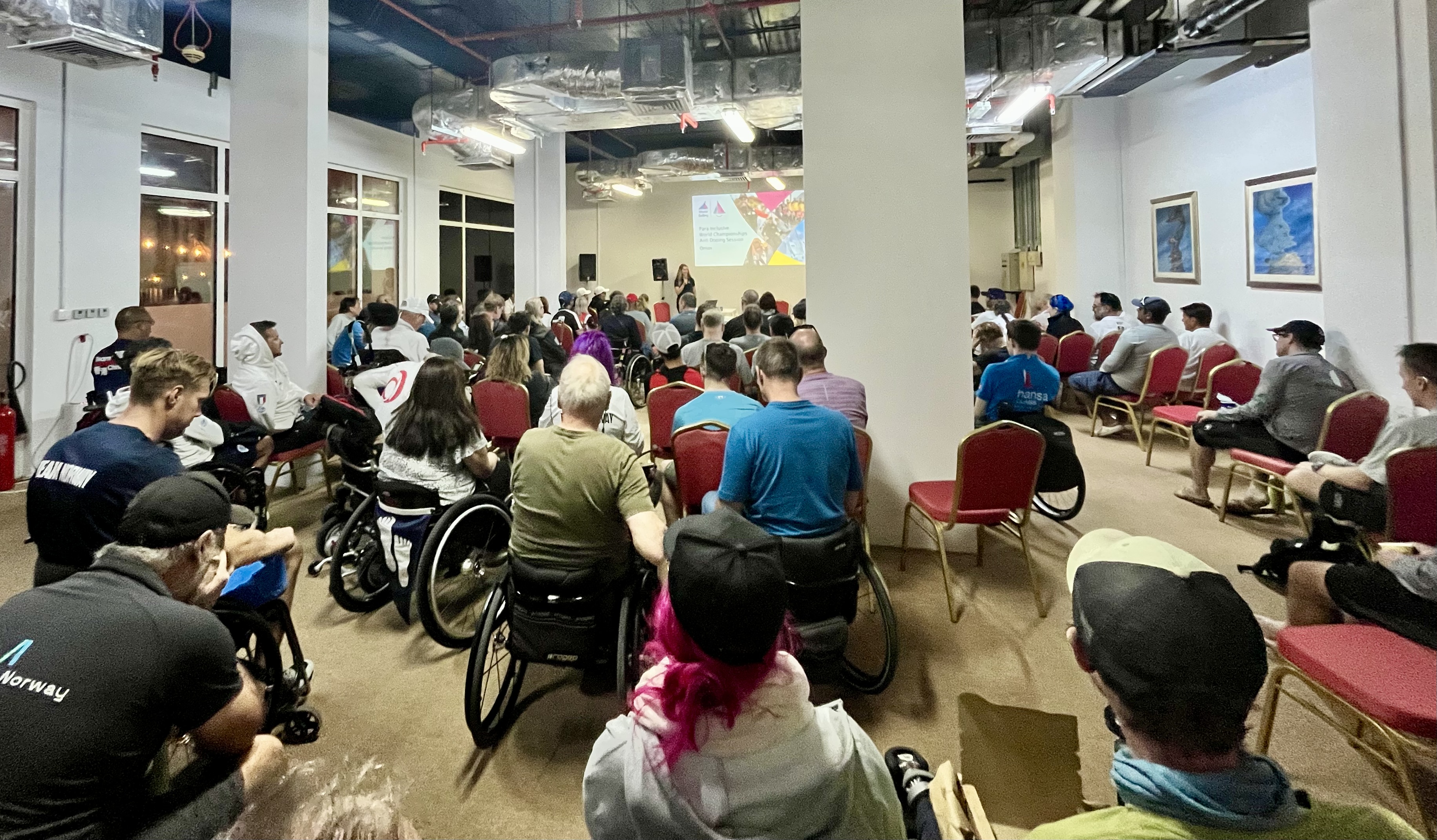
The scale pushed our capacity to the max. With limited staffing and stretched resources, my coaching team were asked to do far more than their roles should ever require. They coached and mentored – and when other systems fell short, they rigged boats, fixed problems, and worked deep into the night, often stepping into operational gaps that were never meant to be theirs.
That is not sustainable. And it is not the standard I am willing to accept moving forward, and not a fair representation of the IDP as I know it can be.
The concept of the IDP remains absolutely right. Development must come before competition, a solid foundation of opportunity. But Oman made it clear that ambition without sufficient infrastructure places too much weight on too few shoulders – and that is something we must address directly.
Alongside this, the event itself faced very real challenges. Equipment was not ready or not to the standard required. Boats and systems that should have been straightforward became daily problems to solve. Accommodation added stress to a Team that was already stretched thin, rather than offering recovery. Travel disruptions compounded fatigue before racing even began.
World Sailing resources on site were extremely limited, which meant long days, late nights, and constant decision-making under pressure. This event was carried as much by resilience and determination as by structure.
None of this is comfortable to write. But it matters – because inclusive sport does not progress by pretending these issues don’t exist, more from learning and still choosing to pick yourself up, dust yourself off, take the criticism and adapt moving forward.
Despite this, we held the line.
Despite the pressure, sailors engaged with the programme. Coaches adapted and supported. Teams collaborated. Officials and organisers worked relentlessly to keep racing fair and safe. Athletes with all impairments took their place on the start line – not as a gesture, but as competitors, truly inclusive competition.

By the end of the week, Oman was not defined by the challenges, but by what the event stood for – inclusion.
That is worth celebrating.
I want to be very clear in my thanks. Simon and Moxey delivered exceptional coaching under relentless pressure. Stoggs provided steady guidance and perspective when it was needed most. Matt stepped in wherever there was a fire to put out – often before anyone else had even spotted it. Leo and Hannah2 worked tirelessly to support athletes, coaches, and operations, absorbing pressure with professionalism and humour in equal measure.

Photo by Hannah2.
And to everyone, named and unnamed, who chose to step in rather than stand back and criticise: thank you. You are the reason this event finished standing.
I am proud of this championship. Proud that we didn’t dilute the ambition when things got hard. Proud and grateful to the sailors who trusted the process, and of the people who gave far more than should ever reasonably be expected because they believed in what this could become.
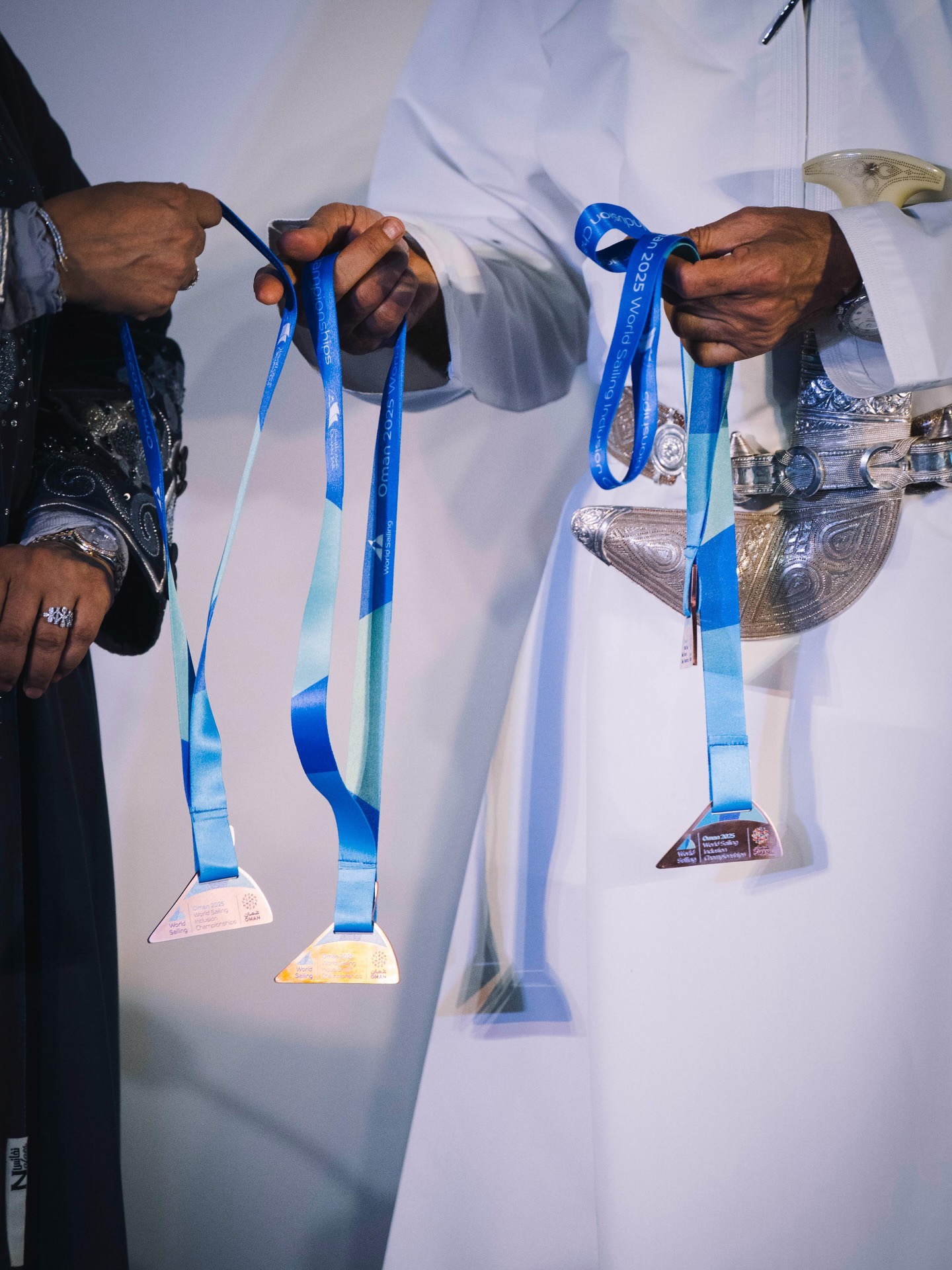
This first edition did what it needed to do. It proved that Para Inclusive Sailing can be delivered at scale. It proved that inclusion and excellence are not in conflict. And it proved that this belongs on the world stage as an event that deserves space and recognition.
But this is not a victory lap.
We are not back in the Paralympic Games. Not yet. And Oman showed clearly that belief and goodwill alone will not get us there. If Para Inclusive sailing is to continue to grow, it must now be properly resourced – with adequate staffing, realistic delivery models, fit-for-purpose equipment, and consistent support from within our organisation and across the global sailing community.
We cannot take our foot off the throttle – but nor can we keep asking people to carry more than is fair.
Oman was a starting line. A hard one. A necessary one.
It will get better – because now we know exactly what it takes.
And I will say this plainly: I keep doing this work because these athletes deserve more than good intentions. This event matters because inclusion only becomes real when it is delivered under pressure, not protected from it. And ambition – especially when it challenges comfortable systems, should be celebrated, not quietly stood on.
Progress has never come from playing it safe.
It comes from trying, learning, and refusing to step back.
That is what Oman represented.
And that is why the work continues.
Next year, all eyes turn to Portugal for the second edition – let’s do this!


 SAILING HANNAH
Leave a comment