When “just one thing” slowly becomes everything.
There’s a version of leadership that people don’t talk about very often.
It’s not the stage moments, the announcements, or the photos that capture a project’s success. It’s not the speeches or the carefully written updates that appear online.
It’s the quieter side of the work; the part that sits behind the scenes when you care deeply about something and feel responsible for trying to move it forward.
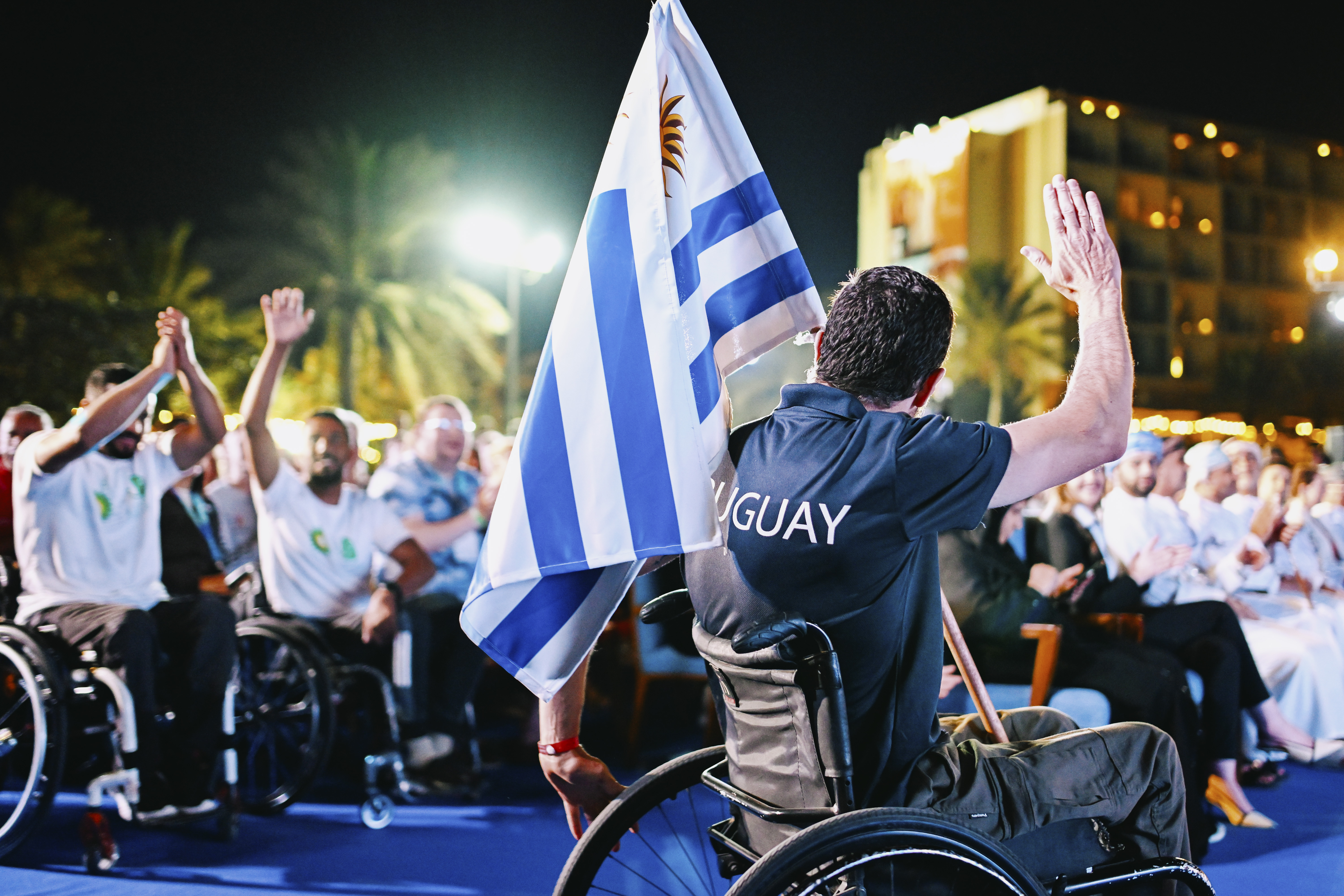
For me, that has meant caring about the athletes who trust us to make space for them in a sport that hasn’t always made room. It has meant caring about the volunteers who give their evenings and weekends because they believe sailing can be something bigger and more inclusive. And it has meant caring about the integrity of the work, even when the systems around you feel messy, political, or painfully slow.
When you care like that, the work rarely stays neatly inside office hours.
It follows you home. Problems that seem manageable during the day have a habit of resurfacing in the quiet hours of the evening or waking you up in the middle of the night with the next piece of the puzzle that needs solving. The reality of leadership in sport is that belief and responsibility don’t switch off when the laptop closes.
Over the past few years I’ve poured everything I have into this sport; into building real pathways for Para Inclusive sailors and into the belief that sailing belongs back in the Paralympic Games.
That belief has meant long days, late nights, constant travel, and the quiet determination to keep pushing even when progress feels slower than it should. It has meant advocating for athletes who deserve to be seen, heard and supported. And it has meant standing up for inclusion in rooms where sometimes it feels like you are asking the sport to evolve faster than it is comfortable doing.
Much of that work happens quietly. It requires persistence, diplomacy, and a deep understanding of both the sport and the systems that govern it. It’s complex, often invisible work; the kind that very few people ever see up close, but the kind that someone still has to carry if change is going to happen.
And the truth is, I don’t always get it right. Sometimes I push too hard, sometimes I get things wrong, and sometimes I learn lessons the hard way. But when you believe in something as strongly as I believe in the future of this sport, you keep showing up and trying to move it forward.
I have always believed the work matters, because it does.
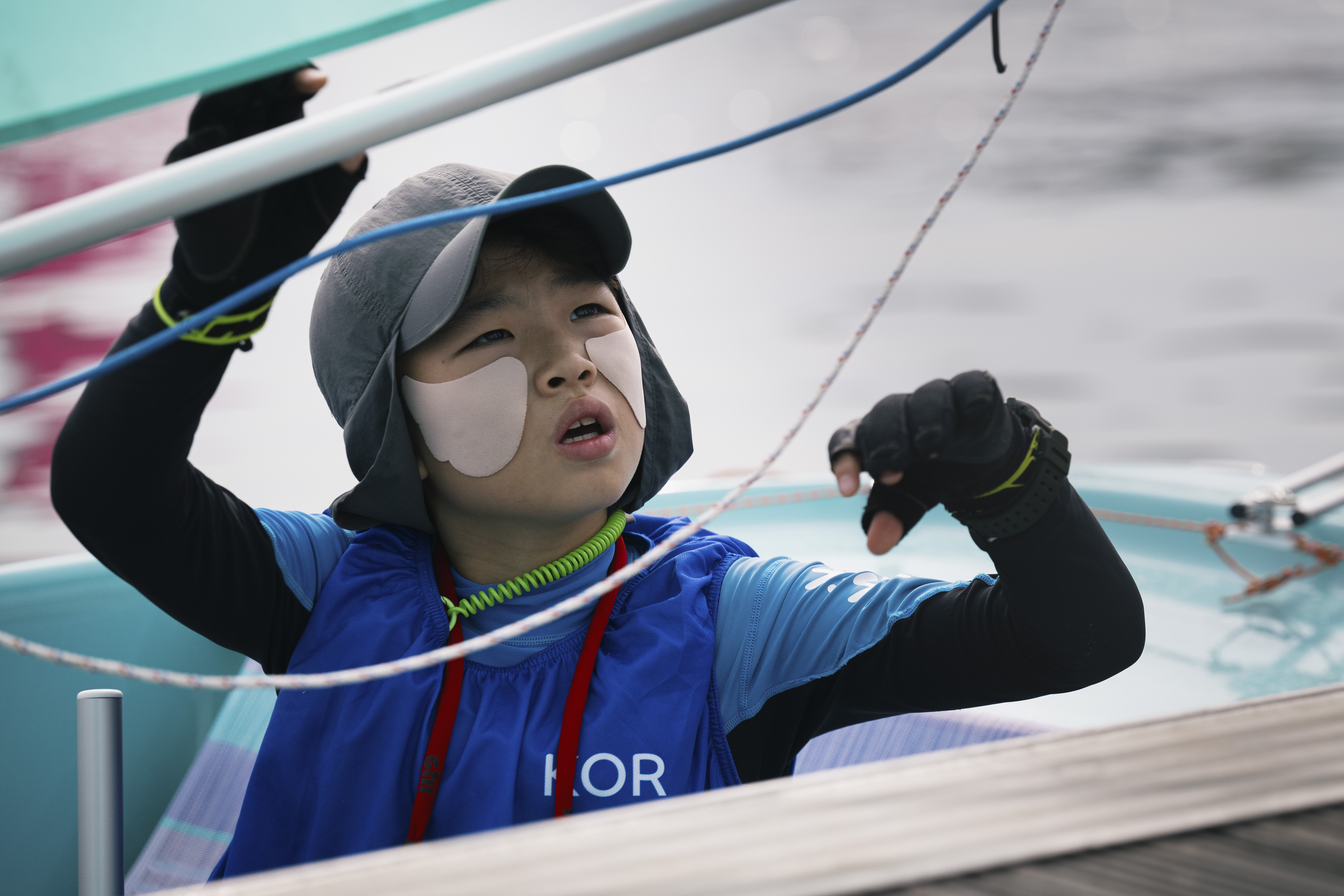
It matters to the sailor discovering the water for the first time. It matters to the athletes chasing world championships and Paralympic dreams. And it matters to the future of a sport that should belong to everyone.
Because when you believe something deserves to exist, when you believe it deserves to grow, to return, and to reach the athletes who are still waiting for their chance, you don’t stop pushing for it.
But caring like that also comes with scrutiny.
Questions about decisions, direction, or pace arrive quietly: in emails, in meeting rooms, or in conversations happening just outside the main discussion. That is part of leadership too. When you push for change, criticism inevitably follows, often from people who are not carrying the same weight of delivery.
Over time you learn to accept that as part of the process.
But caring deeply about the outcome also comes with a more personal cost.
Sometimes that cost appears in small assumptions that build over time. The quiet expectation that if you care enough about the work, you will always make yourself available, even when you have said you are taking time away.
“Can you just take a quick call?”
“Can you just check this one thing?”
“Can you just…”
Most of the time those requests come from good intentions. The work matters, the deadlines are real, and the sport keeps moving forward.
And the truth is, I’m not very good at saying no. My instinct is almost always to say yes; to take the call, check the document, help move the problem forward. Because when you care about the outcome, it’s hard to walk past something that still needs doing.
But every “just” adds a little more weight.
In roles where the mission matters deeply, it becomes easy to forget that rest is not the opposite of commitment. Protecting your energy is part of protecting the work itself.
The truth is that if we want people to build sustainable careers in sport, if we want leaders who still care in ten years’ time, we have to recognise that dedication and exhaustion are not the same thing.
Like many people working in international sport, last year moved at a pace that did not leave much room for proper breaks. Events, travel, and the constant rhythm of the calendar meant that much of my annual leave simply never happened.
So this year I am trying to do something that should be simple, but in our world often is not.
I am trying to step away properly.
Not half-working.
Not answering emails between walks.
Not quietly joining “just one call.”
Just taking a moment to breathe. Because caring about the work should never mean quietly burning out for it.
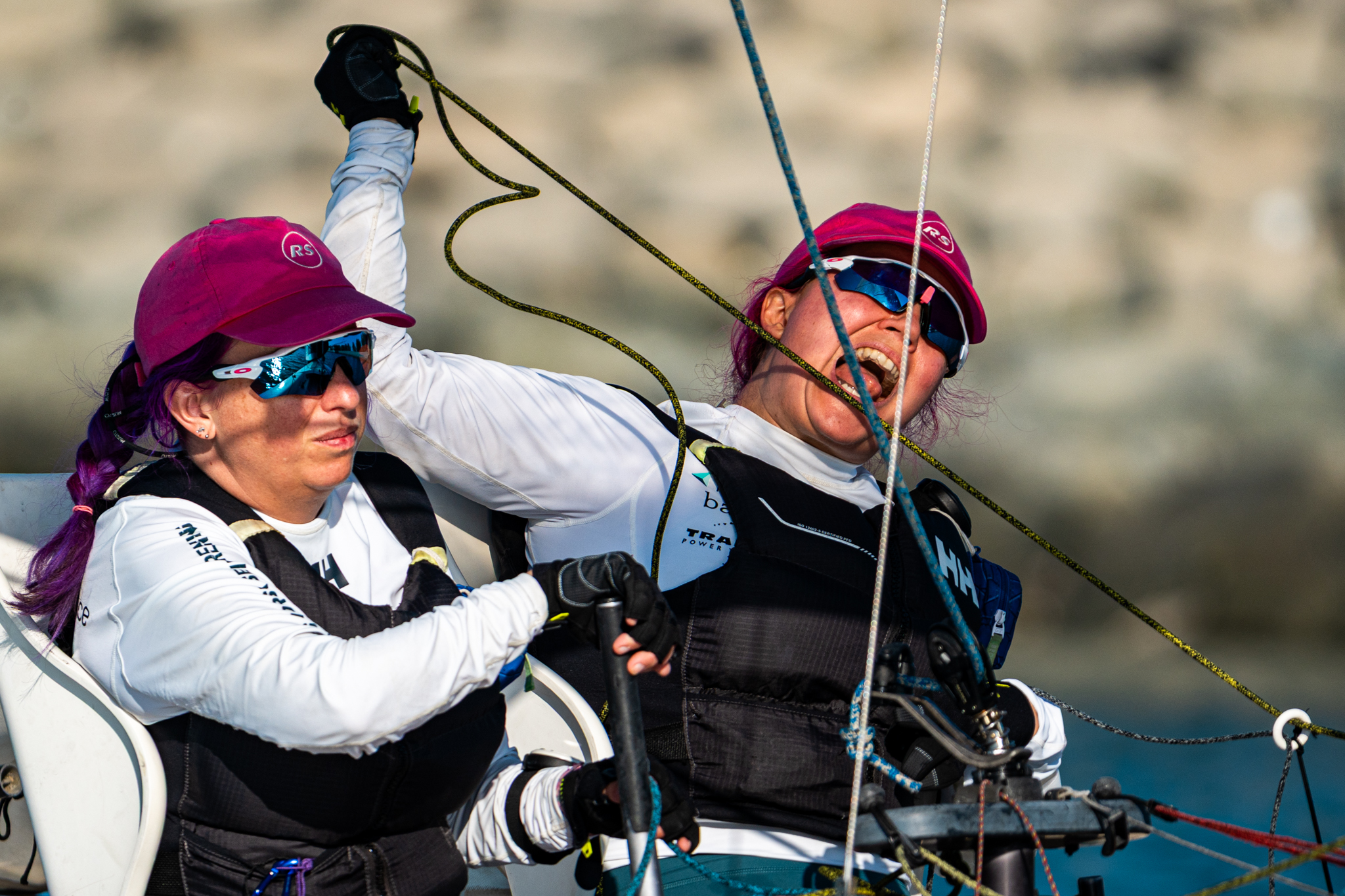
I still believe in this sport.
I still believe in this mission.
And I still believe in the athletes we are fighting for.
But believing in something does not mean giving every piece of yourself away to it.
So this week I am creating a little space. Not because the work is not important, but because it is.
And if the people who care the most never learn how to step back and breathe, there will not be anyone left strong enough to carry it forward.


 SAILING HANNAH
Leave a comment