The last few months have been some of the most rewarding of my career.
They have also been some of the most exhausting.
As I write this, I am eighteen days away from boarding a plane to Antigua to deliver the next Inclusive Development Programme. My inbox is overflowing, my to-do list appears to be reproducing overnight, and there are moments where I genuinely have to stop and think about what project, meeting or country I am supposed to be focusing on next.
Somewhere between IPC Open Days in Bonn, classification reform, governance discussions, WSIC planning, database development, event delivery and the hundred other things that never quite make it onto LinkedIn posts or annual reports, the year has gathered a momentum of its own.
The reality is that meaningful change is rarely as neat as it looks from the outside.
People see announcements, events, strategies and smiling photos. What they don’t often see are the months and years of work that sit underneath them. The difficult conversations. The false starts. The resistance. The countless meetings where ideas are challenged, reshaped and defended before they are finally accepted.
One of the highlights of recent months was attending the IPC Open Days in Bonn. Sitting in those meetings, discussing classification, governance, athlete pathways and the future of Para sailing, I found myself reflecting on how much progress has been made.
Not because the work is finished. Far from it.
But because for the first time in a long time, I could see how many of the pieces are finally beginning to fit together.
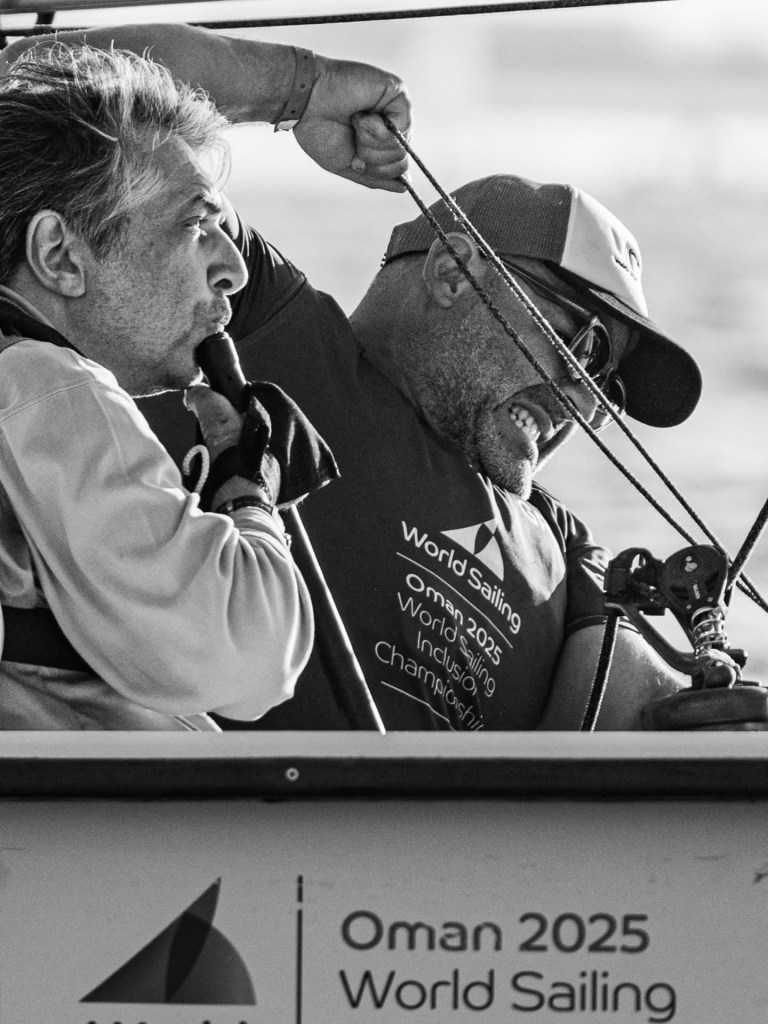
What struck me most was hearing ideas discussed as accepted wisdom that, not all that long ago, felt like uphill battles.
Inclusion is perhaps the best example.
Today, inclusion sits comfortably at the centre of our strategy. It is referenced by leadership, understood by the Board, embraced by stakeholders and increasingly woven into the way we think about the future of our sport.
The funny thing about success is that it has a habit of making difficult journeys look inevitable.
It wasn’t inevitable.
When I first started advocating for a genuinely inclusive approach, it often felt like I was pushing water uphill with a rake. There were legitimate concerns, plenty of scepticism, and more than a few people who believed we should simply continue doing things the way they had always been done.
Change rarely arrives because everyone agrees with it. More often, it arrives because a small group of people continue showing up long enough for others to see what they can see.
Looking around those rooms in Bonn, listening to conversations that would have been almost unthinkable a few years ago, I allowed myself a rare moment of pride.
Not because I did it alone. I absolutely didn’t.
But because I know how hard some of those conversations were when they first started.
The same thoughts have been on my mind as I prepare for Antigua.
The Inclusive Development Programme has become one of the things I am most proud of during my time at World Sailing. Not because it belongs to me, but because I have lived every stage of its evolution. I’ve seen what worked, what failed, what needed changing and what had the potential to transform lives if we got it right.
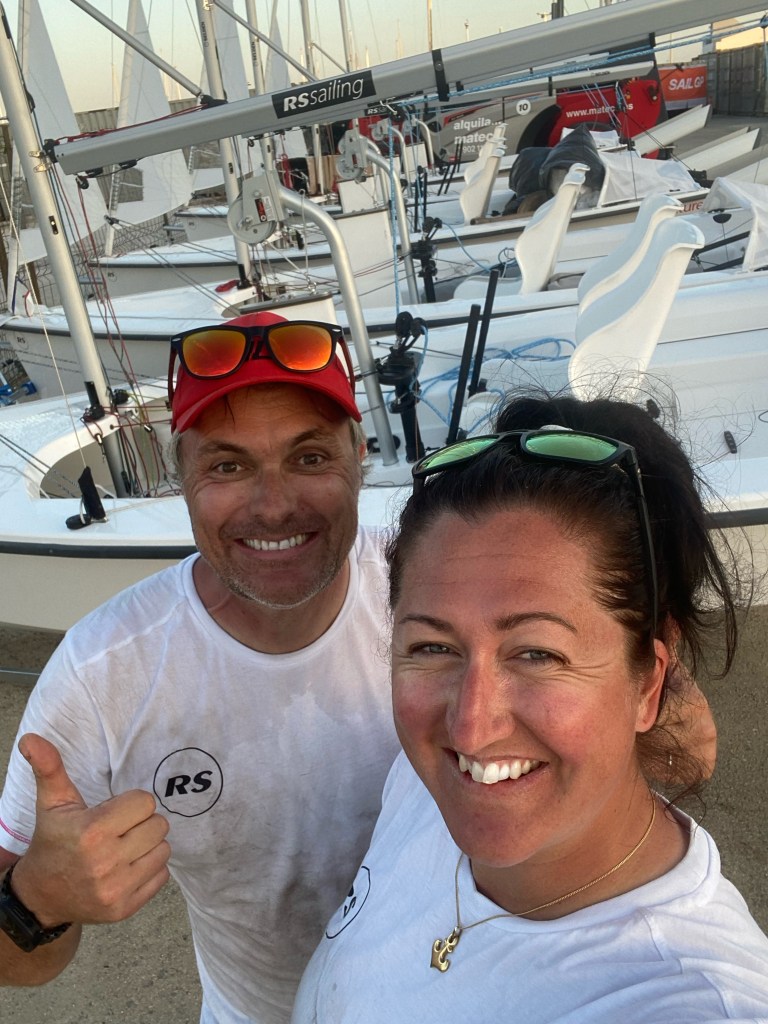
I’ve experienced it from every angle. I’ve stood on coach boats, pushed boats up and down slipways, helped sailors rig boats, solved problems in boat parks, delivered sessions, shared late-night debriefs and spent countless hours listening to athletes, coaches and volunteers about what they needed from the programme. The best parts of the IDP have never been created in meeting rooms. They have been created on docks, in sailing clubs and on the water, alongside the people the programme exists to serve.
The programme we see today wasn’t downloaded from a textbook or copied from another sport. It was built through years of experience, collaboration, experimentation and belief. It was shaped by athletes, coaches, volunteers, Member National Authorities and colleagues who cared enough to keep improving it.
My fingerprints are all over it.
And I think it’s important to say that.
There is sometimes an expectation that as programmes grow, the people who helped create them should quietly step aside and watch from a distance. I’ve never really subscribed to that philosophy.
I don’t believe leadership means becoming disconnected from the work. In fact, I think some of the best leaders stay close enough to understand the realities faced by the people they are trying to serve.
That’s why I still want to coach at the IDP. That’s why I still want to be on the water. Not because I can’t let go, but because I’ve spent years helping shape what the programme has become.
I’ve earned the right to keep my hands on the tiller.
Some of the most important lessons I’ve learned haven’t come from a boardroom or a strategy session. They’ve come from conversations with sailors at the end of a long day on the water. They’ve come from watching confidence grow, barriers fall and opportunities appear where none existed before.
No strategy document, board paper or presentation will ever replace that feeling.
The truth is that there have been moments recently where the weight of everything has felt heavy.
Anyone who works in sport will understand this. We spend so much time talking about resilience, performance and leadership that we sometimes forget the human beings behind them. We celebrate the outcome without always seeing the effort. We celebrate the event without seeing the preparation. We celebrate the success without seeing the sacrifices.
One thing I’ve been reflecting on lately is how much a simple thank you can mean.
Just somebody taking a moment to acknowledge the effort happening behind the scenes. To recognise the long days, the difficult decisions, the emotional investment and the persistence required to keep moving forward when the easier option would be to stop.
Recently, I received a few words of recognition from someone whose opinion I respect. It wasn’t dramatic and it wasn’t public, but it reminded me of something important.
When people care deeply about their work, they don’t necessarily need applause.
What they need is to know that someone sees them.
That someone notices the effort.
That someone understands how much energy, determination and stubbornness it takes to keep pushing forward when the path isn’t always clear.
Those moments matter more than we often realise.
As tired as I am right now, I remain incredibly optimistic.
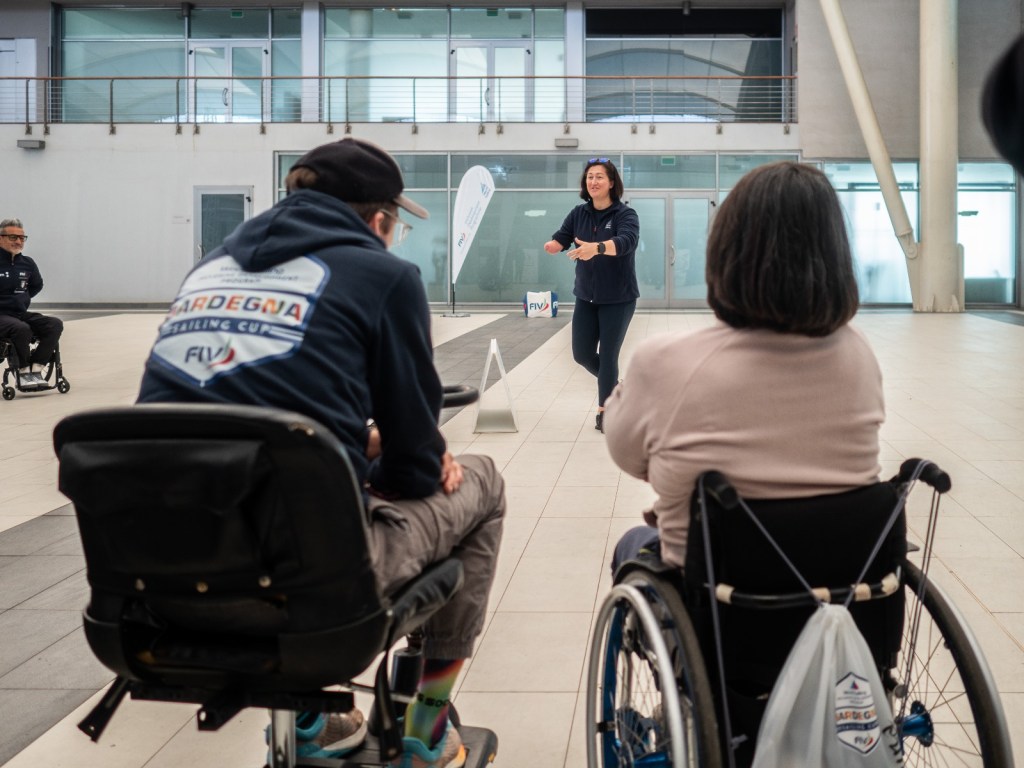
I’m proud of the work being done on classification. I’m proud of the progress towards the World Sailing Inclusion Championships. I’m proud of the conversations taking place with the IPC. I’m proud of the opportunities being created through the Inclusive Development Programme.
Most of all, I’m proud of the people who continue showing up, often with limited resources and endless challenges, because they believe in something bigger than themselves.
The road ahead remains long. There will be more debates, more flights, more spreadsheets, more late nights and undoubtedly more coffee than any medical professional would recommend.
But for the first time in a long time, I genuinely believe we are building something that will last.
The tank may be running lower than I would like.
But the mission still matters.
And despite everything, I wouldn’t want to be anywhere else.
Happy Sailing,
Hannah


Leave a Reply