The Inclusive Development Programme is not just a course.
It is not a tick-box exercise, a neat development project, or a few days of coaching that ends with a group photo and a polite “good luck”.
It is much bigger than that.
The IDP exists because sailing still has work to do. Para and inclusive sailing still have work to do. Access, confidence, equipment, knowledge, coaching, race experience, local support, and belief all need building in a lot of places. That is not a criticism; it is the reality. And if we are serious about growing this part of the sport, then we have to be honest about what that work really looks like.
Antigua showed all of that.
It was brilliant. It was exhausting. It was frustrating. It was funny. It was emotional. It was everything development actually is when you stop dressing it up and start doing the work properly.
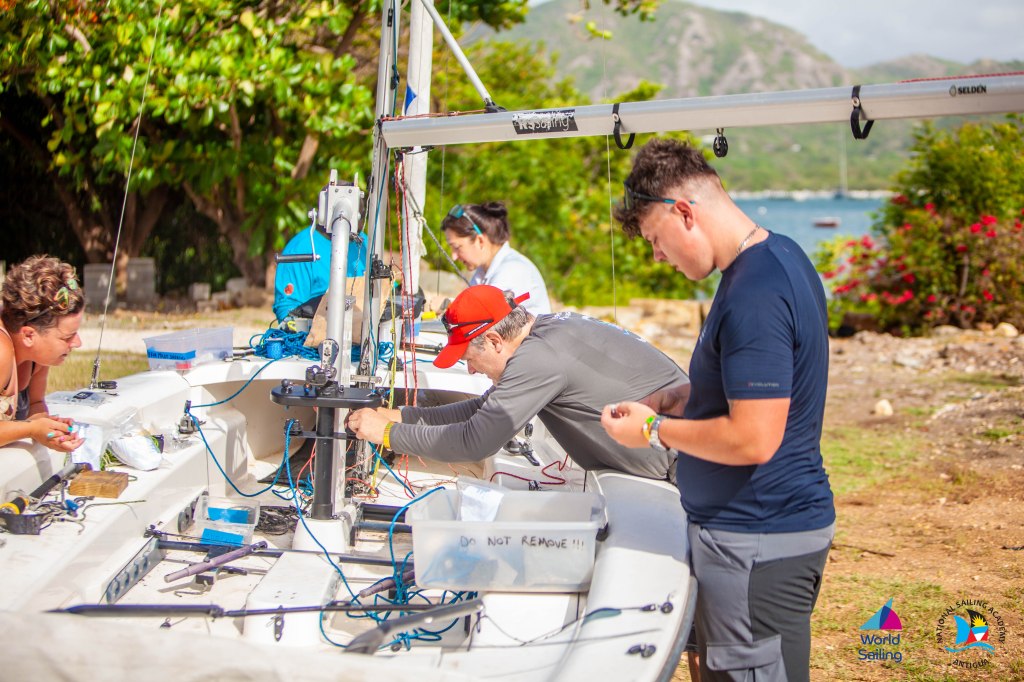
There were challenges, of course there were. Development is rarely perfect, and this one asked a lot from everyone involved. Equipment and preparation were not always where they needed to be, the programme was packed, and the group had a wide mix of experience levels. We had to adapt, move quickly, rethink sessions, and keep finding a way forward.
But that is also why I love this programme.
Because when things are not perfect, the IDP shows you exactly what it is made of.
And it is made of people.
It is made of the sailor learning how to follow a race course and count laps. It is made of the cognitively impaired sailor understanding how powerful communication with a sailing partner can be. It is made of the coach getting the opportunity to work with a visually impaired beginner and realising that good coaching is not about having all the answers; it is about listening, adapting, and not making assumptions.
It is made of people from different countries networking, sharing ideas, building confidence, and taking knowledge home with them. It is made of someone saying they left inspired and motivated. It is made of people asking for more time on the water, more racing, more coaching tips, more beginner support, more resources, and more ways to keep learning once they return home.
That feedback matters.
The programme received a 5 out of 5 satisfaction rating, with an NPS of 80. Participants told us they valued the coaching, the interactive sessions, the sailing, the rules, the community, the development opportunities, and the chance to learn from each other.
That is not nothing.
But I also do not look at that and think, “Great, job done.”
I look at that and think, “Good. Now we make it even better.”
Because the feedback was clear. The programme is compact. There is a lot packed in. True beginners need to be considered carefully. People want more time on the water. They want more racing. They want breakout sessions for different roles. They want online resources they can continue to use. They want practical tools they can take home and actually apply.
That is exactly the kind of feedback we need.
Not polite applause. Useful feedback.
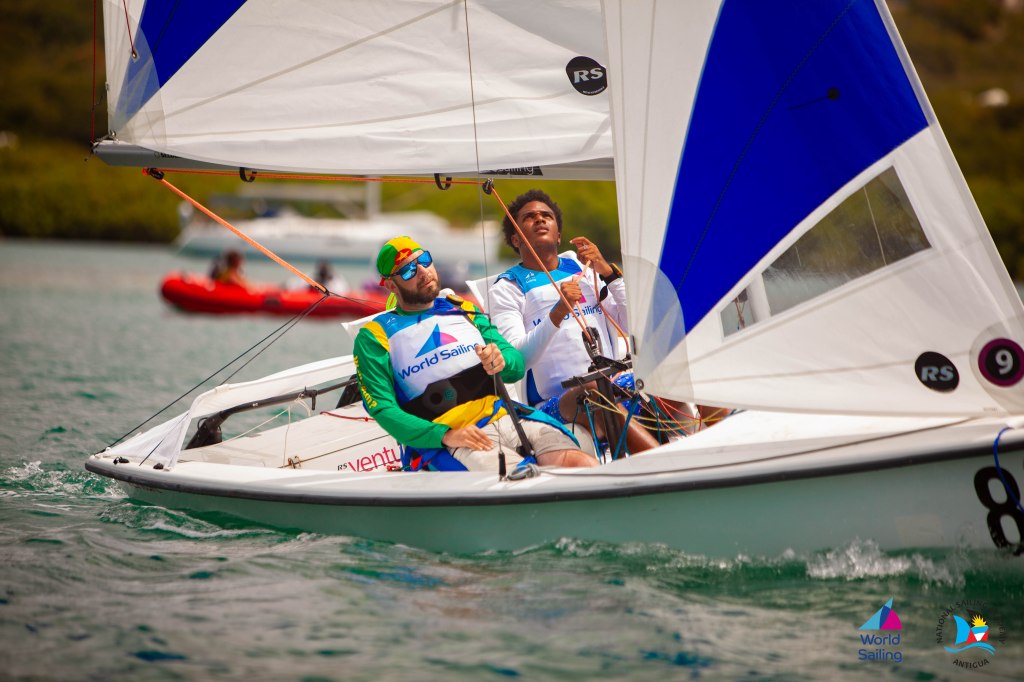
The Inclusive Development Programme led directly into the Caribbean Inclusive Sailing Championship, and that mattered. The IDP did not sit on its own as a nice training course with no end point. It gave people the chance to learn, connect, test ideas, and then move into a real event environment. To race. To coach. To communicate. To represent. To make mistakes, adapt, improve, and come back stronger.
That is development.
Not theory. Not a slideshow. Not a token opportunity.
Actual experience.
The teams were awesome. They brought energy, humour, patience, honesty, and a willingness to get stuck in. They supported each other, challenged themselves, and built a community in real time. That is the bit you cannot fake.
You can design a programme. You can write a schedule. You can build a deck. You can plan sessions.
But the people create the magic.
And of course, because no IDP would be complete without a bit of chaos, we finished with the coach demo race.
Working with Dan all week was one thing. Sailing with Dan was another experience entirely.
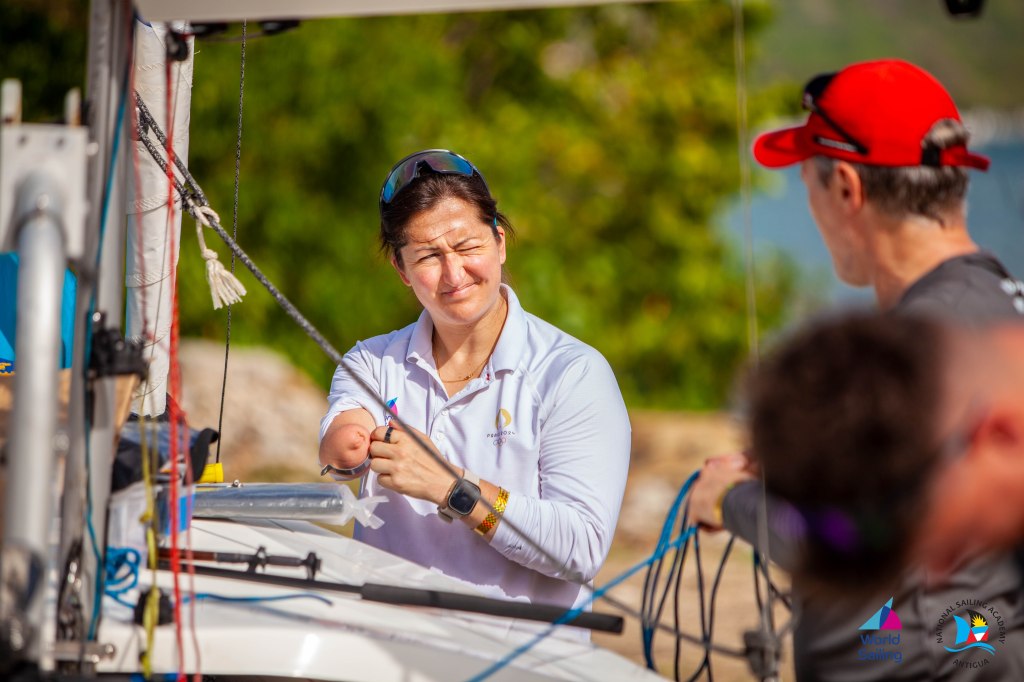
It turns out that under pressure, I cannot vocalise any form of tactics in a useful way. Apparently my brain knows what it wants to do, but my mouth chooses vibes, panic, and unfinished sentences. Dan, meanwhile, makes some very questionable noises when rounding a mark. I am still not entirely sure whether they were tactical calls, emotional support sounds, or just his body briefly leaving the chat.
Either way, we survived. No one died. The boat came back. Development achieved.
His dancing as we celebrated the end of the course, however, is an area where I think further training may be required. We talk a lot about continuous improvement in the IDP, and frankly, this is where we need to start.
But that is also the beauty of this programme.
Yes, it is about learning. Yes, it is about coaching, inclusion, confidence, race courses, communication, and pathways. But it is also about laughing together when everyone is tired, celebrating the small wins, and building the kind of community where people feel comfortable enough to fully be themselves.
That matters too.
Because people do not come back to programmes just because the content is good. They come back because they felt part of something.
And that is why I get protective of the IDP.
There is sometimes this strange attitude in development that success means stepping away as quickly as possible. That once something has been delivered, you hand it over, remove yourself, and let it stand alone.
I understand the theory.
But I also think it can be a mistake if it happens too early.
You do not create sustainability by abandoning people before the foundations are strong. You do not empower emerging nations by dropping a programme in their lap and hoping for the best. You do not grow Para and inclusive sailing by pretending enthusiasm alone can replace equipment, coaching, structure, safety, and ongoing support.
Handover is not the same as walking away.
Empowerment is not the same as neglect.
If we want the Inclusive Development Programme to create real, lasting change, then we have to stay close enough to support it properly. We have to challenge where standards need to improve. We have to listen when participants tell us what they need. We have to keep building the pathway, not just celebrate the moments when it looks pretty.
Dan created this programme originally, and he deserves real credit for that. He built something with purpose. Something that had a heartbeat from the beginning.
I have been lucky enough to take that programme and develop it. I have shaped it, pushed it, fought for it, expanded it, and put a lot of myself into it.
So yes, I believe I have the right to keep my hand on it.
Not because I want to control every piece of it. Not because I think development should be owned by one person. But because I know what this programme stands for. I know what it can do. I have seen people arrive unsure, nervous, under-supported, or not quite believing there is a place for them in sailing, and I have seen them leave taller.
That matters to me.
A massive thank you has to go to Dan. Not just for creating the programme in the first place, but for continuing to support me as I develop it. He has led, backed me, challenged me, had my back, and pushed me to be a better coach and leader. That kind of support matters more than people probably realise.
And Logan deserves a huge mention too. As the apprentice coach and the first to trailblaze that pathway, he was brilliant. He worked hard, stepped up, supported the group, and showed exactly why we need to create more coaching opportunities within Para and inclusive sailing. He has a seriously bright future ahead of him.
There are lessons from Antigua. We need stronger preparation. We need better resource planning. We need clearer support structures. We need more resources for participants before and after the programme. We need to think carefully about beginners, mixed-experience groups, rest, accessibility, and follow-up.
But we also need to recognise what worked.
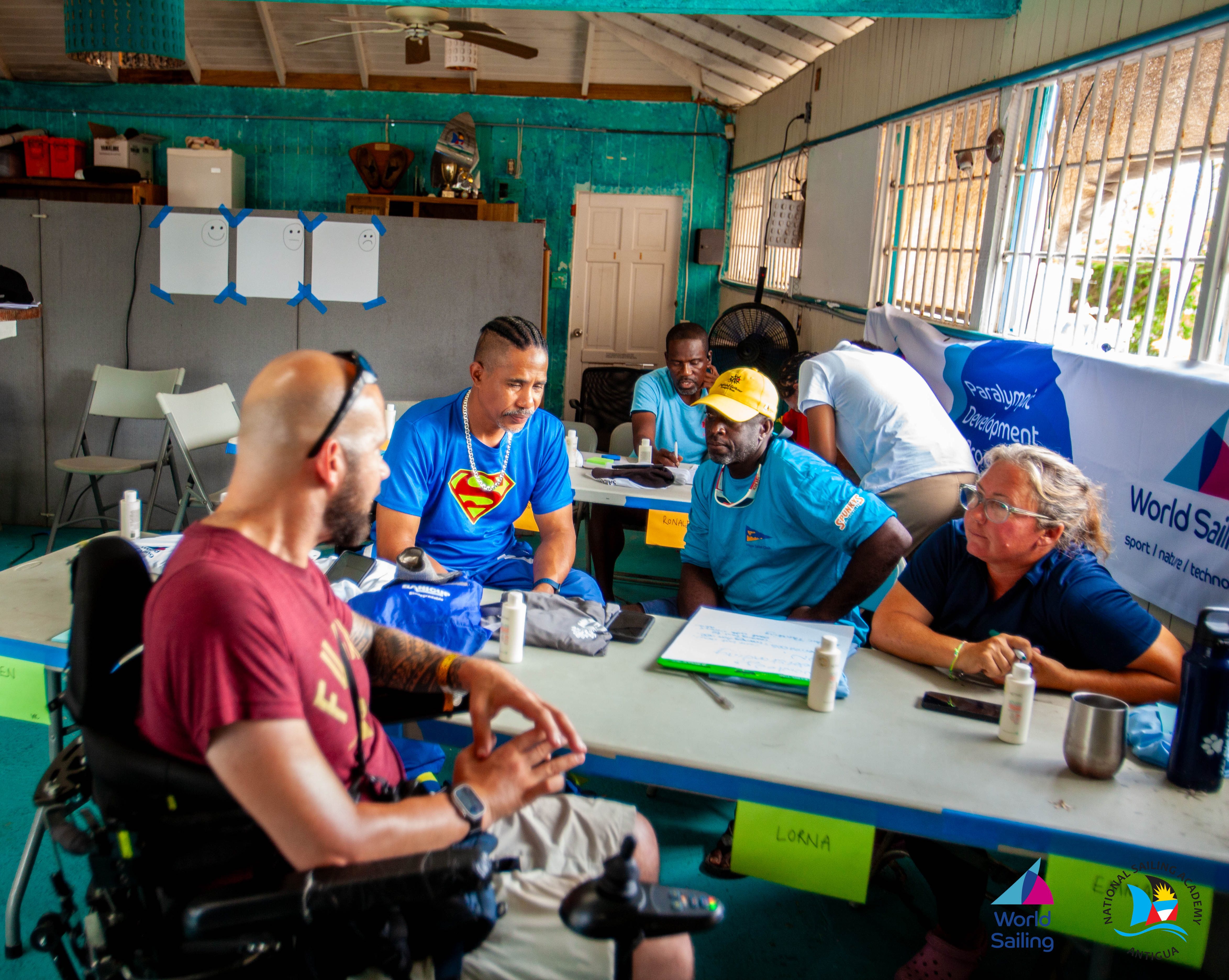
The community worked.
The model worked.
The people worked.
We brought 23 people from 10 countries together through the IDP and the Caribbean Inclusive Sailing Championship. That is powerful.
The Inclusive Development Programme did what it is supposed to do. It built confidence. It created connection. It gave people practical skills and a reason to believe they belong in this sport.
That is why this programme matters.
That is why I will keep fighting for it.
That is why I will keep my hand on it.
Because Para and inclusive sailing do not grow because we stand back and hope.
They grow because people care enough to do the hard bit.
And in Antigua, the hard bit was worth it.
*all photos by Travis Harris from ANT.


Leave a Reply